How I’m Tracking Macros in Lose It Without Burning Out
What 21 days of consistent tracking taught me about staying in a calorie deficit without perfection
Quick Answer
I’m staying in a calorie deficit by tracking consistently in Lose It, keeping my food choices intentionally boring, and relying on repeatable, pre-packaged foods that remove decision fatigue. I’m not chasing perfection, clean eating, or restriction. I’m building sustainable habits through tracking and slowly adjusting foods to create long-term momentum.
This post is part of my “Tracking Without Burnout” series; a realistic look at what it actually takes to stay consistent with calorie and macro tracking without letting it take over your life. Each post focuses on one piece of the system that makes consistency possible.
This post contains affiliate links. I may earn a small commission on purchases at no extra cost to you. A few of the images were created with AI tools, because I’m a real mom on a real budget, doing my best to make it all look pretty.
Pin now to save for later!
Why I’m Keeping January Boring on Purpose
January is not my experimentation season.
It’s the month where I deliberately lower the mental load so I can stay consistent long enough to see results. For me, novelty is the fastest way to burn out a calorie deficit. Too many new recipes, too many decisions, too much pressure to “do it right.”
So this month, boring is the goal.
I’m not trying to impress anyone with creative meals. I’m trying to show up day after day and track with honesty, even when the day isn’t perfect.
My Current Tracking Reality (Context Matters)
Before getting into food, here’s the real-life context:
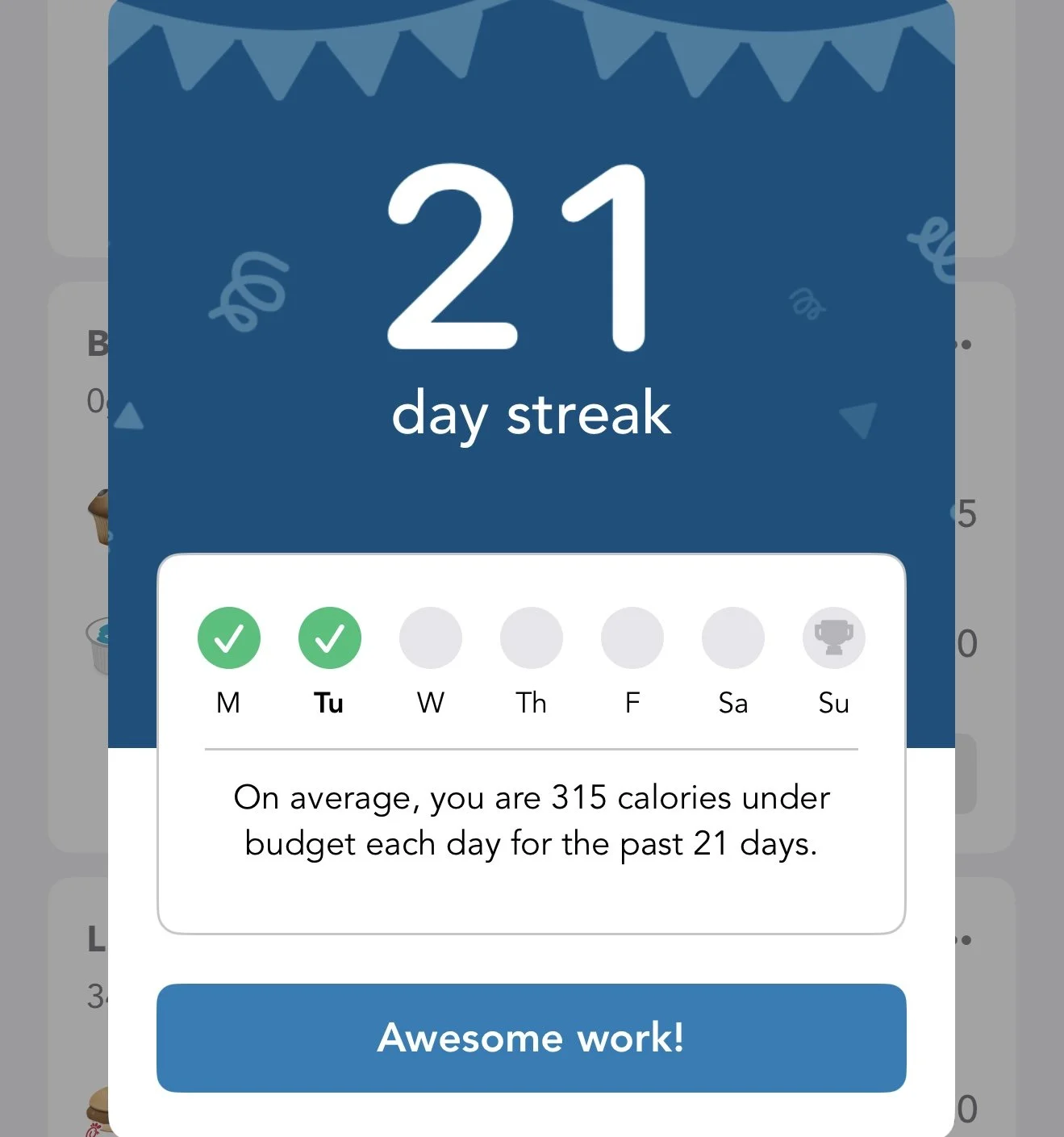
I’ve tracked consistently for 21 days
I intentionally skipped 3 days for mental health, on purpose, without guilt
My calorie target is 1,850 calories
My protein goal is 150g per day
I tracked through Christmas and a family vacation
I have a long-term goal of losing 45 more pounds
I’m almost 48 years old and on HRT
I’m not working out yet, but I plan to
This isn’t a sprint. It’s a rebuild.
Breakfast: The Sandwiches I Don’t Overthink
Most mornings, breakfast is the same: a Jimmy Dean breakfast sandwich.
Here’s why it works:
Protein-forward
Portable
Predictable calories
Zero decision-making
I don’t rotate five options. I don’t “get bored” of it. I eat it, log it, and move on with my day.
Now, I know these aren’t the healthiest options.
They aren’t clean.
They aren’t “natural”.
They aren’t a lot of things BUT what they are is an easy choice that I can quickly heat and go. They are filling and they are easy to track.
That consistency matters more than variety right now.
Lunch: The “Girl Lunch” Buffet Plate
Lunch is where this approach really shines.
Instead of one big, rigid meal, I build what I call a buffet plate:
A protein anchor
Small portions of a few familiar foods
Enough volume to feel satisfied
For example, I’ll grab about 8 oz of rotisserie chicken with a little BBQ sauce or Frank’s RedHot, plus a spring mix salad, baby carrots, Chex Mix, and watermelon.
The protein and volume foods are key with the sweet and crunch of the Chex Mix for the relief of the mental need for crunch.
This matters because feeling restricted is what leads to overeating later. A little bit of everything keeps me from feeling like I’m “on a diet,” even though I’m very clearly in a calorie deficit.
This alone has made tracking feel sustainable instead of stressful.
The Snacks I Actually Rely On (Not Pinterest Snacks)
These are not exciting. They are reliable.
Chomps: protein safety net
Pre-portioned almonds: controlled fats
Green apples: crunch & volume
Dried cranberries: sweet without spiraling
Nothing here is demonized. Nothing is labeled “bad.” They’re just tools that help me stay consistent.
What I’m Not Doing in January
This is important.
I am not:
Cooking complicated meals
Chasing perfect macro splits
Moralizing food
Doing “clean eating” resets
Turning missed days into failures
Tracking works best when it’s calm and neutral, not emotional or punitive.
How This Fits Into My Weekly Routine
This approach works because it’s built into my normal rhythm:
Simple grocery list
Minimal prep
Easy to reset weekly
I don’t need motivation every day. I need systems that support the version of me who’s tired, busy, or overwhelmed.
Final Thought
This isn’t a transformation story yet.
It’s a consistency story.
I’m proving to myself that I can show up imperfectly, track honestly, and keep going, even through holidays, travel, and real life.
This is the exact style of meal planning I use every week: repeatable, flexible, and realistic. I’m working on turning this into a simple planner for busy moms who want less pressure and more progress.