High-Protein Meal Prep That Actually Supports Strength Training
Quick Answer
High-protein meal prep only works long-term if it supports strength training, fits into real life, and doesn’t require cooking separate meals. My approach focuses on simple protein-forward prep that overlaps with family meals and supports muscle, recovery, and consistency.
Pin now to save for later!
Why I’m Still Talking About Protein (Even Though It’s Not January)
High-protein content gets a lot of attention in January, and then people quietly stop talking about it.
Not because protein stops mattering, but because the conversation usually revolves around short-term goals: weight loss, resets, or strict plans that don’t hold up once real life resumes.
For me, protein isn’t a seasonal focus. It’s foundational, especially as I prioritize strength training, muscle maintenance, and bone health heading into menopause and my later years.
If I want my workouts to matter, my food has to support them.
The Role Protein Plays in My Training
Strength training places real demands on the body. Recovery, muscle repair, and long-term progress don’t happen without adequate fuel.
My focus with protein is simple:
support muscle building and maintenance
aid recovery between workouts
stay full and energized during busy days
avoid the cycle of under-eating and over-snacking
This isn’t about hitting perfect numbers. It’s about consistency over time.
What “High-Protein Prep” Looks Like in Real Life
I don’t batch-cook elaborate meals or prep a week of identical containers.
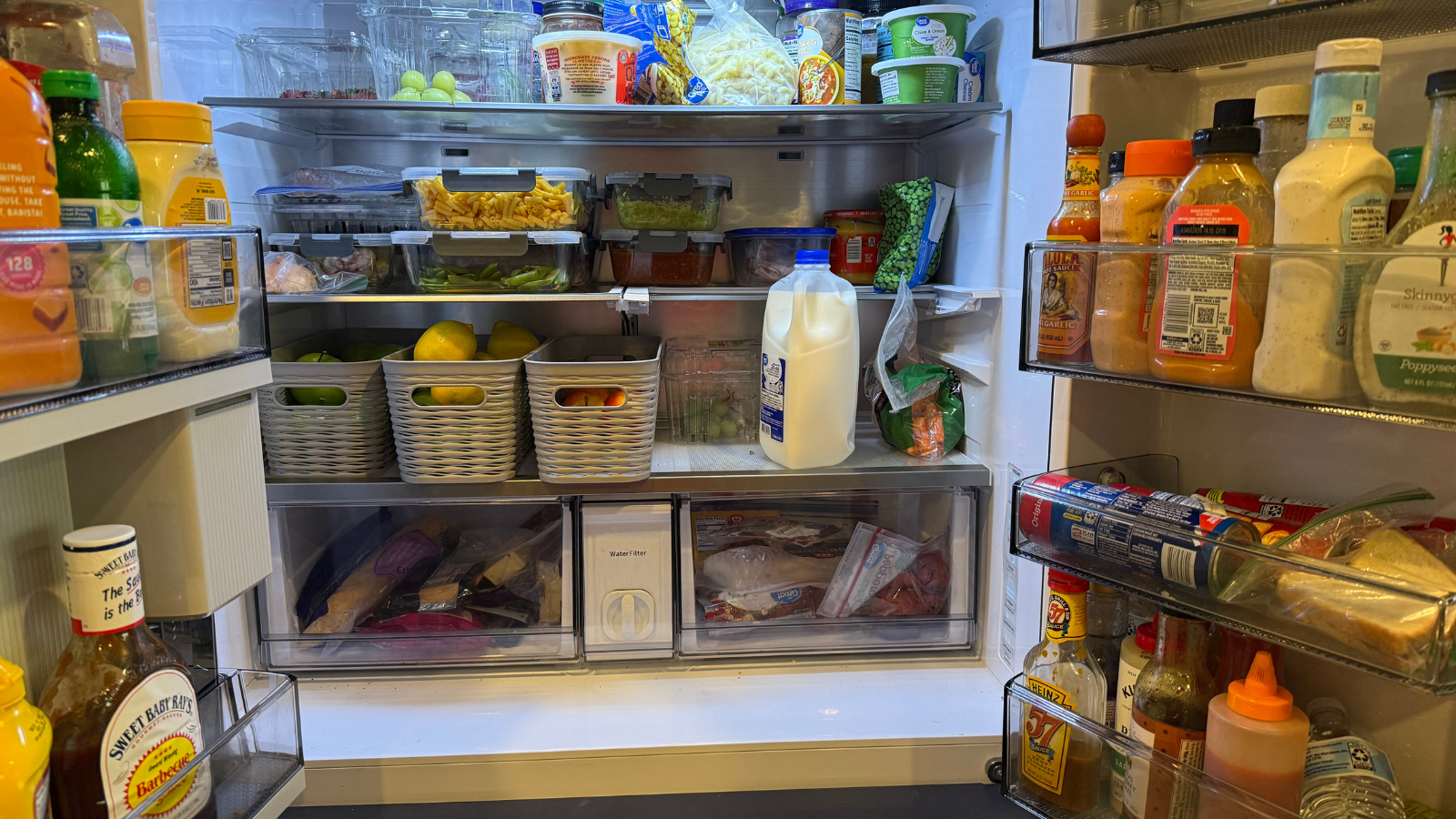
Instead, I prep protein foundations that can be mixed, matched, and reused across meals, for both myself and my family.
That usually means:
cooked proteins ready to reheat
flexible sides that work multiple ways
meals that can be adjusted without making separate food
The goal is fewer decisions during the week, not a rigid plan.
How I Prep Protein Without Becoming a Short-Order Cook
This is the part that matters most for sustainability.
I’m feeding a family with picky eaters. If my protein prep only works for me, it doesn’t last.
So I focus on:
proteins that can be served simply for kids
sauces or seasonings added after the fact
base meals everyone can eat, with small swaps
That overlap is what keeps this doable week after week.
Why Protein Prep Supports My Grocery Budget (Not Fights It)
Protein can feel expensive if it’s not planned intentionally.
When I don’t prep:
I rely on convenience foods
I snack more
I waste ingredients
I buy duplicate items
When I do prep:
meals stretch further
leftovers actually get used
grocery trips are more intentional
Protein prep isn’t just a nutrition strategy, it’s a budget and systems strategy, too.
How I Keep This Simple Week After Week
I don’t reinvent this every Sunday.
I use a basic weekly grocery tracker and meal planner to:
see what protein we already have
plan meals around that first
avoid overbuying
keep prep realistic for the week ahead
The system matters more than the exact food choices.
This Isn’t About Eating Perfectly
Some weeks are better than others.
Some weeks protein prep looks polished.
Some weeks it looks like “good enough.”
What matters is that my food supports:
my training
my energy
my ability to show up consistently
Not perfection. Not aesthetics. Not January motivation.
How This Fits Into the Bigger Picture
This high-protein approach works because it’s aligned with how I train and how I live.
It connects directly to:
my home gym setup
my strength-focused workouts
my grocery budget systems
and my long-term health goals
Everything supports everything else.
One Takeaway
High-protein prep doesn’t need to be complicated, it needs to be compatible with your real life.
I use the same simple grocery tracker and weekly meal planner each week to keep protein prep realistic and consistent. If you’re trying to support strength training without overthinking food, you can download it here.